

Summary
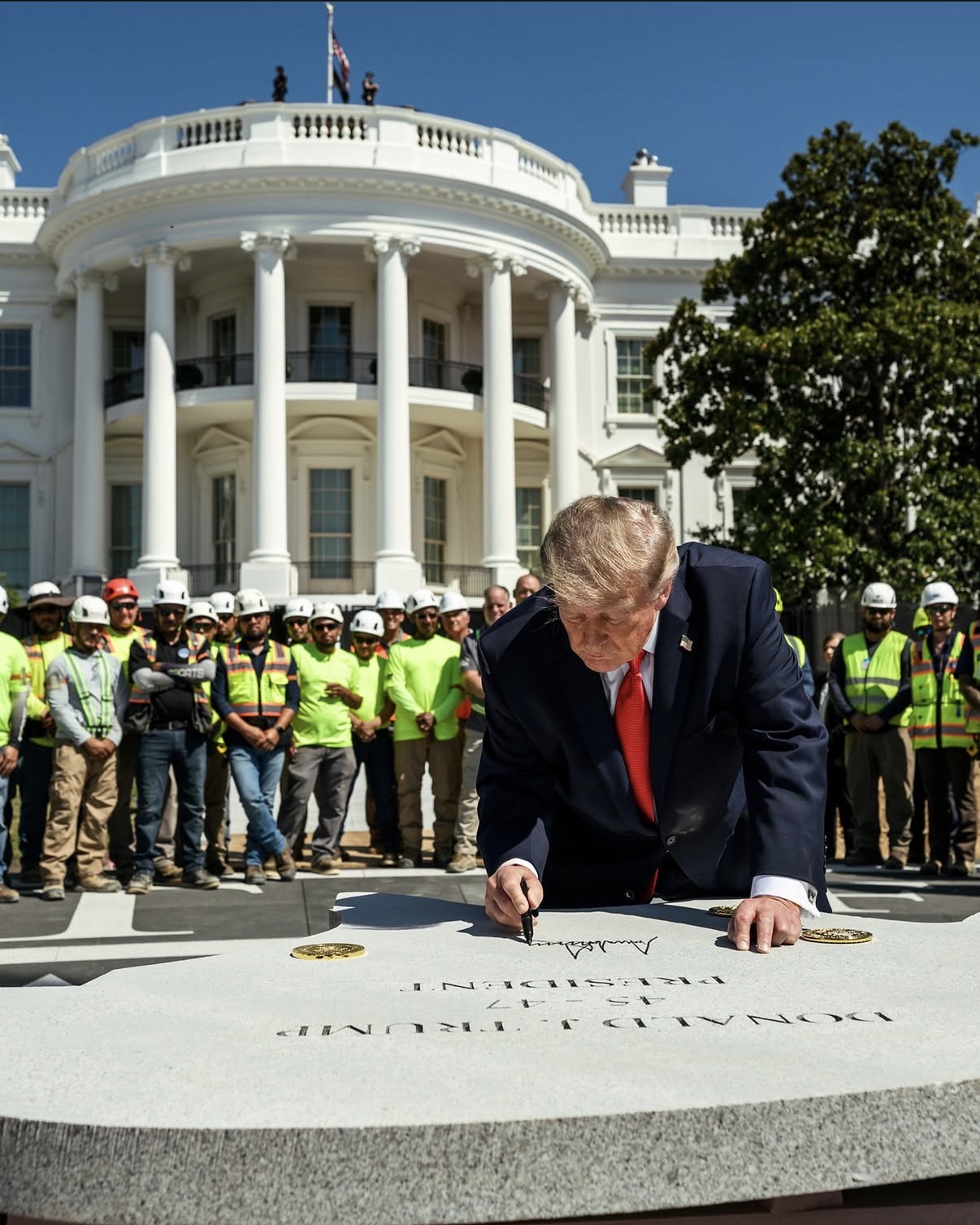
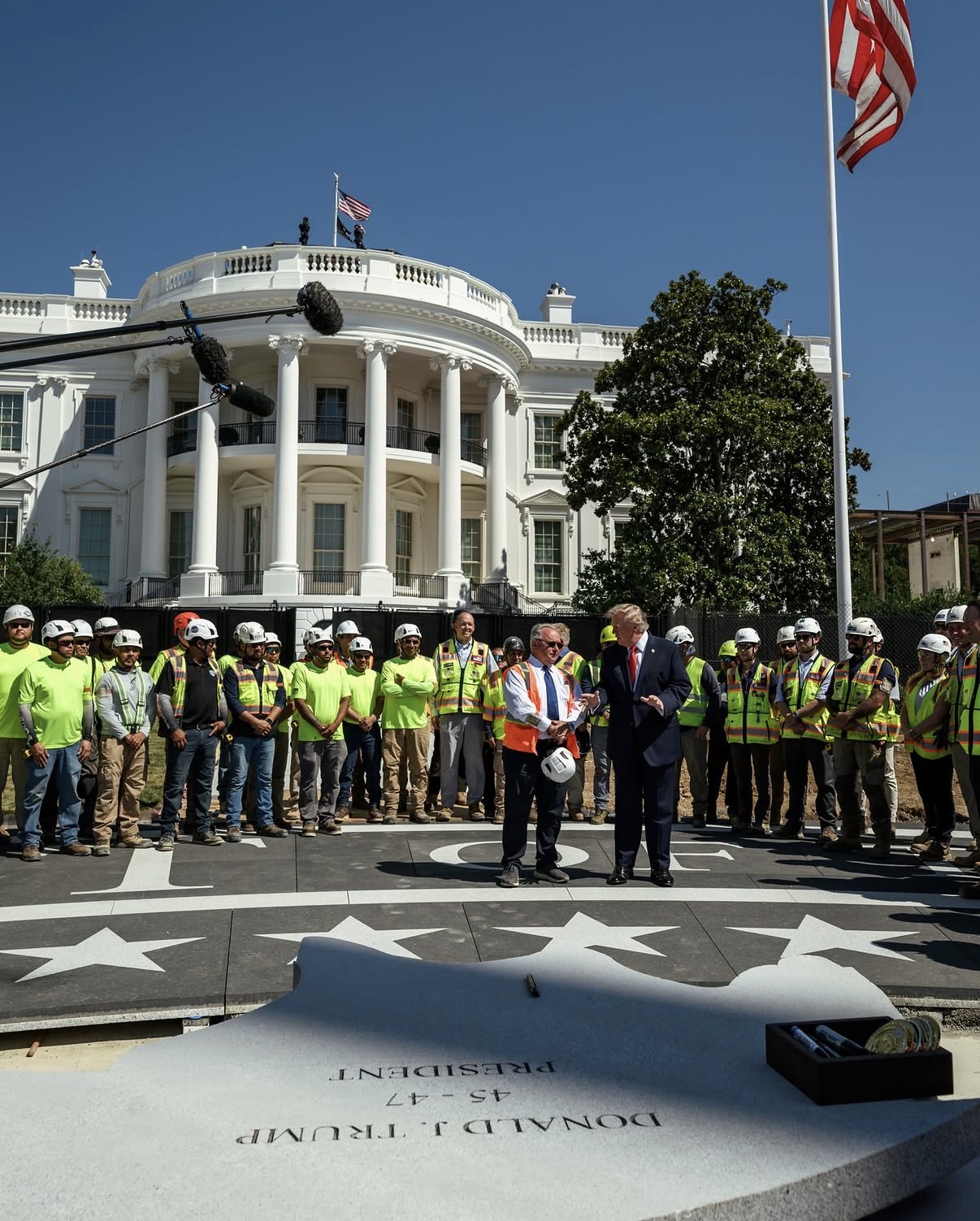
Supreme Court’s Chief Justice Roberts rubberstamped (temporarily) Trump’s vanity project Friday. An administrative stay was issued while the Court considers the President’s emergency request to continue construction on the ballroom/military facility amid backlash and lawsuits from the public.
What’s happening?
The President is testing the balance of power:
- The Legal Hurdle: Lower courts have flagged the lack of congressional authorization, directly challenging the project's legality
- The Executive Justification: Citing national security concerns over a purported 65-foot underground bunker, the Administration insists that pausing construction would threaten vital infrastructure
- Opposition: The White House sits on federal ground, and although the administration says they have the authority to renovate, Congress has a role in authorizing major alterations
- Why It Matters: Though the President’s design projects across the capital pale in comparison to his failures economically and abroad, these disputes serve as a microcosm for the larger testing of executive authority. The "backlash" surrounding this project reveals how different segments of the American public process such tests of power. Recent research from the Pew-Knight Initiative categorizes the public into four distinct engagement groups: Mobilizers, Connectors, Spectators, and Outsiders.
The ballroom project serves as a distinct trigger for "Mobilizers." This small group, comprising 9% of adults, is most active in news and politics and is likely viewing this as a critical constitutional violation. Conversely, for "Spectators" (31% of the public), who follow the news at high rates but are less likely to participate in direct civic action, this controversy likely registers as background noise in a polarized landscape.
Just as the administration wields war powers in Iran with little resistance, it is abdicating its fiscal oversight responsibilities here at home. When the public's engagement is fragmented in this way, Congress finds it easier to step back, leaving the Judiciary as the sole, and perhaps insufficient, check on an increasingly unchecked Executive. How long can that defense hold, and how far will that power go?
Branches bend before they break
The Courts have held up fairly well through many incompetent and unconstitutional actions by the Executive Branch. From immigration enforcement infractions to abused executive authority, the Judiciary has proven to be stronger than even our own representatives in the Legislature.
However, with a friendly Supreme Court and a frightened Congress, both lacking a military to back them, enforcement power is limited.
We are seeing the consequences of a political system that relies on demonizing opposition rather than engaging in substantive oversight. Systematic change currently only happens in the face of catastrophe, leaving us reactive instead of proactive. Until Congress reclaims its constitutional role in fiscal oversight, the Judiciary will continue to be the only, and likely insufficient, check against an increasingly unchecked Executive. We cannot wait for another crisis to realize that the structural foundation of our democracy requires more than just judicial intervention.