

Summary
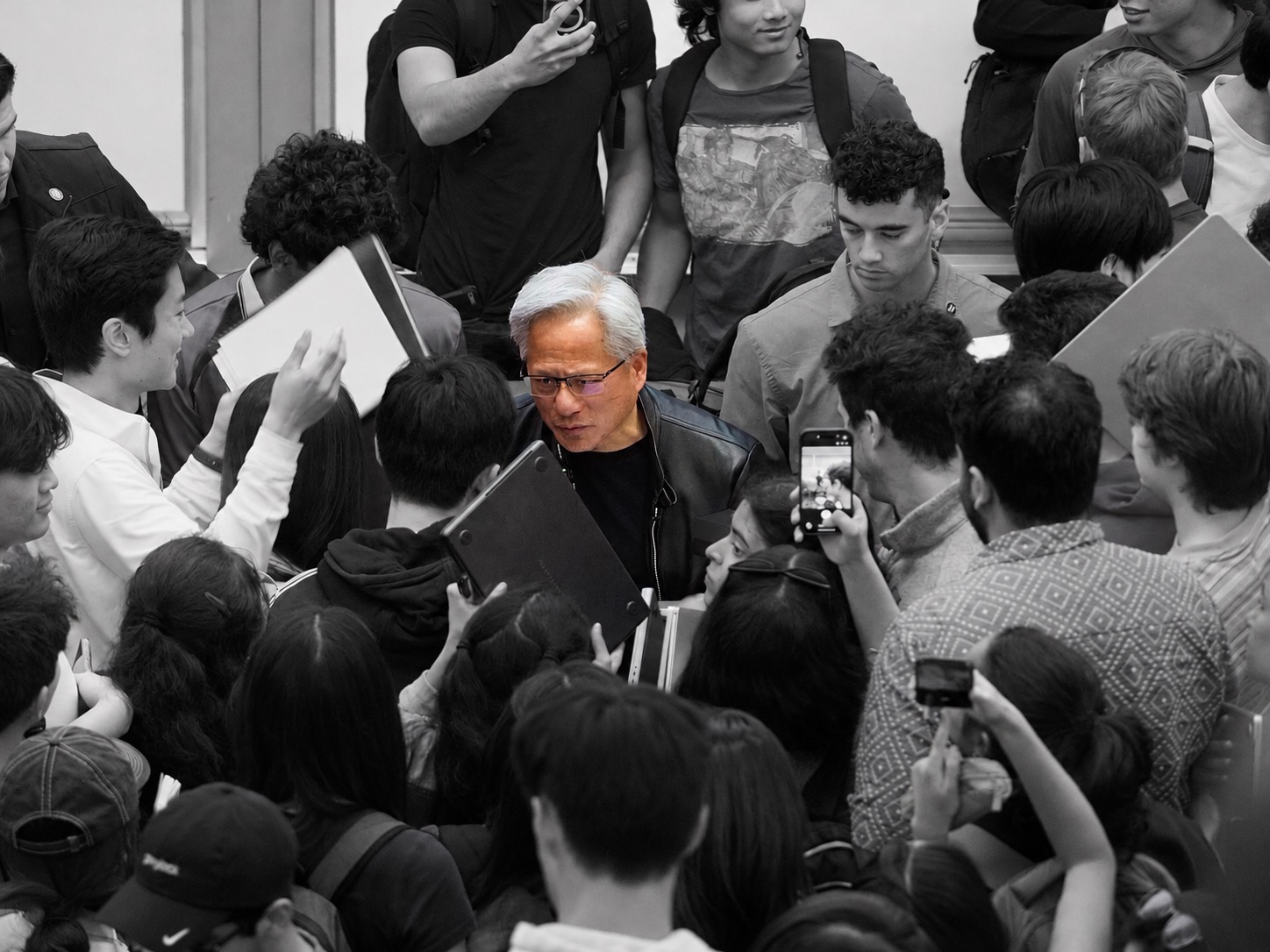
Jensen Huang resigned Wednesday night as president, CEO and board member of Nvidia, the company he co-founded 33 years ago. The board installed CFO Colette Kress as interim CEO and announced the change Thursday without explaining it. A resignation closes a corporate chapter. It doesn't tell investors or the public what the government knew about Huang's relationship with a woman U.S. officials suspected of working for Chinese intelligence, what it did about it, or whether anything was compromised.
What happened?
The exit took less than a week. The questions have been building for more than a year:
- The Relationship: Huang and Alice Huang (no relation) have known each other since at least 2024, according to ABC News. She was a senior executive at Megaspeed, a Singapore-based company and major buyer of Nvidia chips
- The Admission: Huang admitted to an affair on Sunday. Nvidia says that admission does not establish that any information was passed to Beijing. China rejects the allegations
- The Board: On November 8, the board said it had "no reason to believe that either national security or NVIDIA secrets were compromised." Three days later, it accepted his resignation
- The Market: Nvidia shares fell as much as 13 percent Thursday morning before closing down about 4 percent
The board's announcement didn't mention the allegations at all.
The government knew
This is the part that should bother everyone. According to ABC News, President Trump was briefed on the relationship in the fall of 2025. CNN reports that Marco Rubio wrote a memo about it in the spring and briefed Trump aboard Air Force One in May. Huang joined the President for the final leg of that trip anyway.
So who decided that was fine? Was Huang warned? When, and by whom? Nobody has said.
After the resignation, Trump praised Huang for doing "a fantastic job" and suggested Tim Cook should replace him. Asked whether Huang was right to step down, the President said, "if the woman was a spy, yes. If the woman was not a spy, perhaps it would be different."
Was she a spy? Washington doesn't agree
Here is where the story gets less tidy than the headlines. Multiple sources told CNN the intelligence collected so far "does not prove" Alice Huang was spying for Beijing. People close to Director of National Intelligence Jay Clayton called the spy label "over-torqued." CIA officials aren't convinced either. The FBI, meanwhile, has been investigating for at least a year, and that counterintelligence probe is still open.
Attorney General Todd Blanche said there are "no conclusions reached by the Department of Justice, or by me, or by [FBI] Director Patel around who she is or is not."
That cuts both ways. If the evidence is weak, the people who leaked the spy framing owe the public an explanation too. A former counterintelligence official put the risk bluntly to CNN: "A lot of these people are guilty of just being Chinese."
What Congress still doesn't know
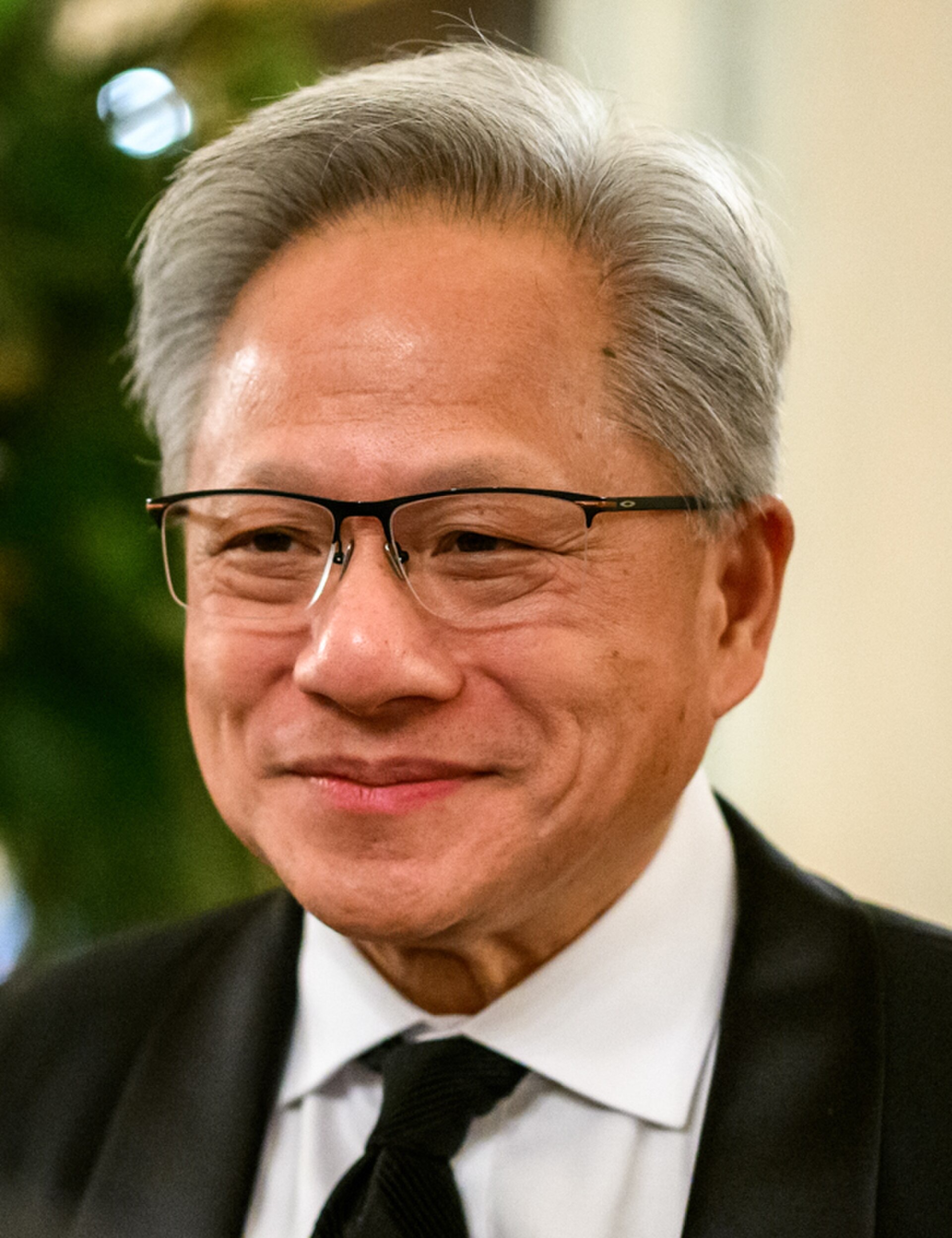
Rep. Jim Himes, the top Democrat on the House Intelligence Committee, left a classified briefing this week with more questions than answers. "What's the relationship with Alice Huang and the Chinese, and what do we know about what influence or information was traded? Because today, at least, I don't know."
If the ranking member of the Intelligence Committee doesn't know, the public certainly doesn't.
House Foreign Affairs Chair Brian Mast says Huang has agreed to testify before Thanksgiving. Rep. Gregory Meeks said, "We've seen the tip of the iceberg." Sen. Elizabeth Warren, set to chair the Senate Banking Committee in January, said the resignation "does not absolve him, other executives or the company."
Investors deserve answers. So does the public.
There are legitimate reasons to protect sources and methods in an open counterintelligence case. That isn't what's being asked. Shareholders were told on November 8 that nothing was compromised. The public was told nothing at all. Both deserve to know:
- What the intelligence actually shows, and why agencies disagree
- When Huang was warned, and what he did next
- Why he kept traveling with the President after the May briefing
- Whether any Nvidia technology or export-control decisions were affected
- Whether the board's investigation continues, and whether its findings will be released
Huang lost his job. Nobody in government has told us what they knew. A resignation is a personnel decision. It isn't an answer.