

The failure and the funding demand
Americans preparing for holiday travel should not have to choose between a functioning aviation system and accountability for the people running it.
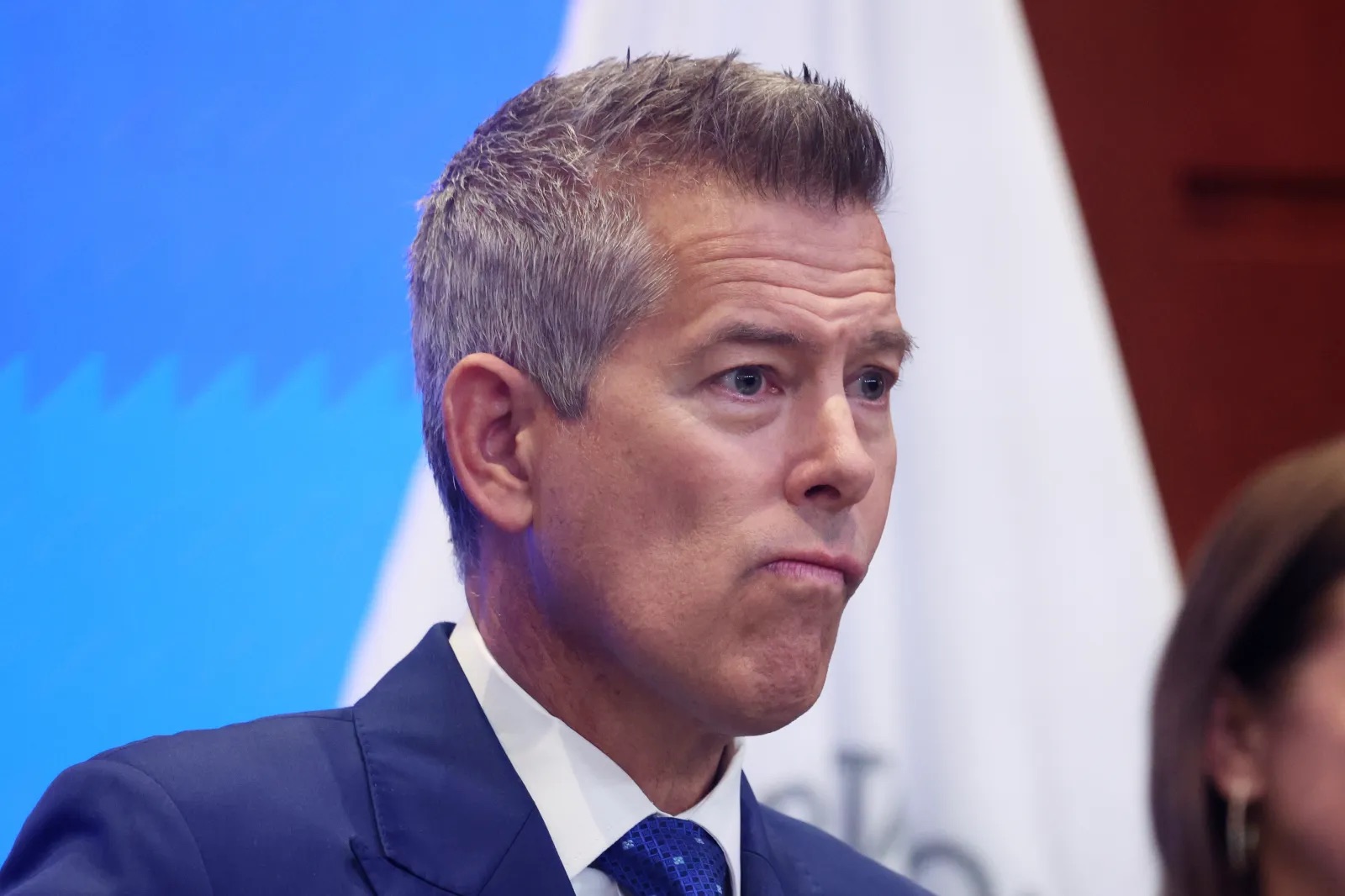
After Friday’s nationwide ground stop, Transportation Secretary Sean Duffy demanded $50 billion for air traffic modernization. Congress already provided $12.5 billion last year. Before another check, the public deserves a clear account of what failed and who approved the work.
Duffy initially emphasized the aging system. On Saturday, he described a router generating excessive connection attempts during contractor L3Harris’s copper-to-fiber upgrade. Investigators have not determined whether equipment, installation, or configuration was responsible.
That is a more specific explanation, not a completed investigation. Funding the repair does not excuse examining the failure.

Follow the decisions and the money
A separate set of decisions deserves scrutiny. In June, the FAA awarded Air Space Intelligence a 12-year contract worth up to $875 million for AI-supported traffic management. Its corporate PAC had donated $2,500 to Duffy’s son-in-law, Michael Alfonso, three months earlier.
The donation does not establish favoritism. The award has been described as competitive, and no reporting has established that the contribution influenced it.
The stronger questions concern oversight. Politico reported that the FAA explored taking an equity stake in its own vendor. Separately, SMART expanded nationwide November 10, roughly 50 days after its Washington-area launch, short of the 90-day evaluation airlines reportedly were promised.
More than two dozen lawmakers had requested a pause pending answers about testing, training, and oversight. The nationwide announcement did not address those questions.
None of that establishes that SMART caused the ground stop. Officials say there is no evidence of an AI-related cause. Contract oversight and outage causation are separate questions, and both deserve honest answers.
No blank check
Duffy should disclose who approved the accelerated rollout, the status and legal basis of the equity discussions, and what his $50 billion proposal would buy. Congress should establish what failed before deciding which contractors receive more money.
Travelers need dependable flights. Workers need safe systems. Taxpayers need more than an emergency sales pitch.