

Summary
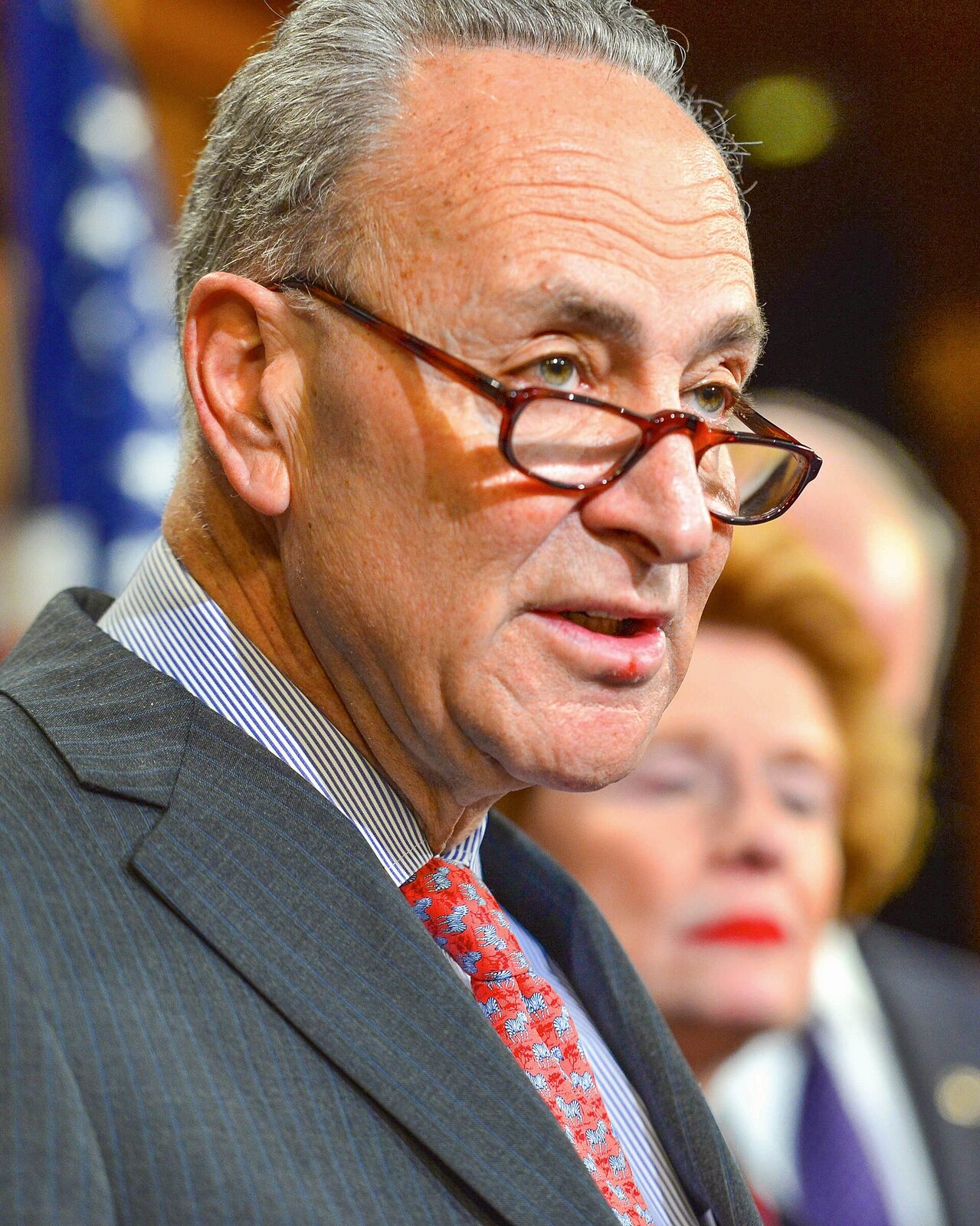
One week after sweeping both chambers of Congress, Democrats have their first open fight. Sen. Bernie Sanders announced Tuesday he will not support Chuck Schumer for majority leader, with Sen. Elissa Slotkin standing beside him. Schumer says he is confident he has the votes. The caucus decides next month.
The numbers
- The House: 254 Democrats to 168 Republicans as of Wednesday, with a handful of races still uncalled
- The Senate: 53 Democrats and 2 independents to 44 Republicans, a net gain of eight seats
- The Flips: North Carolina, South Carolina, Ohio, Texas, Kansas, Iowa, Maine, and Mississippi
- Still Counting: Alaska, where Mary Peltola leads Sen. Dan Sullivan ahead of ranked-choice tabulation on Nov. 18
Democrats won in places they were told were impossible. That's a mandate. The question is who gets to spend it.
The crack in the caucus
Sanders didn't mince words, but he didn't make it personal either. "I like Chuck. There's nobody who works harder than Chuck Schumer. But in my view, the time is now for change, and I will not be supporting Chuck."
Slotkin went further in a different direction. "I am not actively seeking this job. I am seeking change." She says she's a "no" on any candidate until they present a plan for the first 100 days.
Sen. Chris Van Hollen, whom progressive groups are drafting to run, says he is "actively listening." His argument is the whole fight in five words: "We should not have a coronation."
Schumer's case is that he just won. He says the caucus is united on "bringing down costs," "ending the corruption," "ending the chaos," and "ending the war." Sen. Ruben Gallego put it in baseball terms: "When the manager takes you to the World Series, you give them another contract."
That's a fair point. It's also exactly how parties end up with the same leadership for a decade.

A mandate is a deadline
Republicans, meanwhile, re-elected John Thune without a single dissent and handed the House minority to Jim Jordan. They know exactly what they're going to be: the opposition.
Democrats have to decide what they're going to be. Voters didn't flip Texas, Ohio, and Iowa over a vague promise to restore normal. They voted on the cost of living and a war nobody asked for. That calls for a plan, and Slotkin is right to demand one in writing.
The first test arrives before the new Congress is even sworn in. Government funding runs out December 11. After that come the real questions: Will Democrats keep the filibuster? Will they use budget reconciliation, the same tool Republicans used to pass the "big, beautiful bill," to deliver on prices? Will they use their power to end the war?
Leadership is a means, not an end. Whoever gets the job, the voters who showed up this month aren't grading on effort. They're grading on results.